Native Silver
Argento Nativo
Ag Properties
- Category
- Mineral
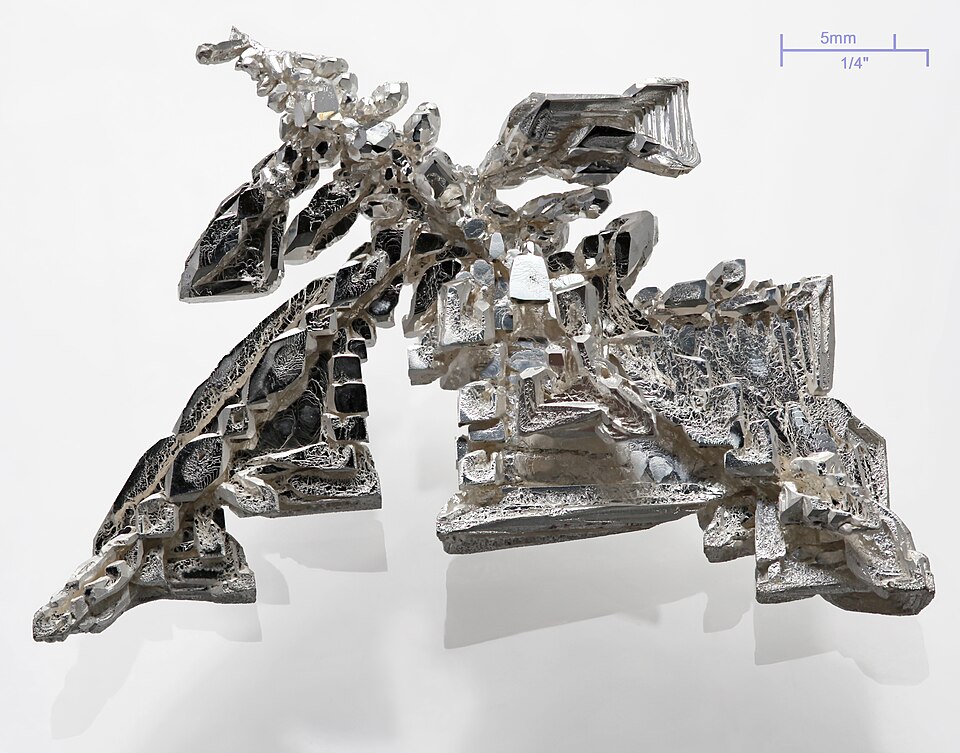
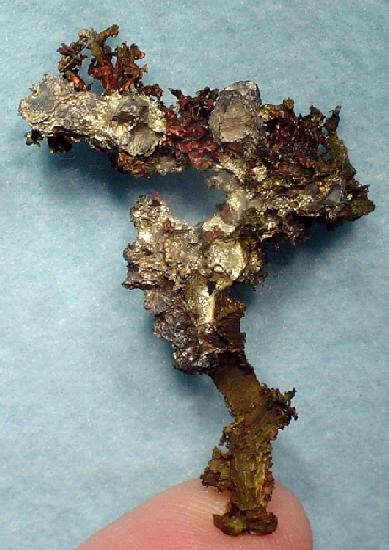
Native silver is pure silver in natural crystalline form, one of the few metals found in the free state in nature without the need for chemical extraction. It is extremely malleable, an excellent conductor of heat and electricity, and historically has been one of the most precious metals for coins and jewelry.
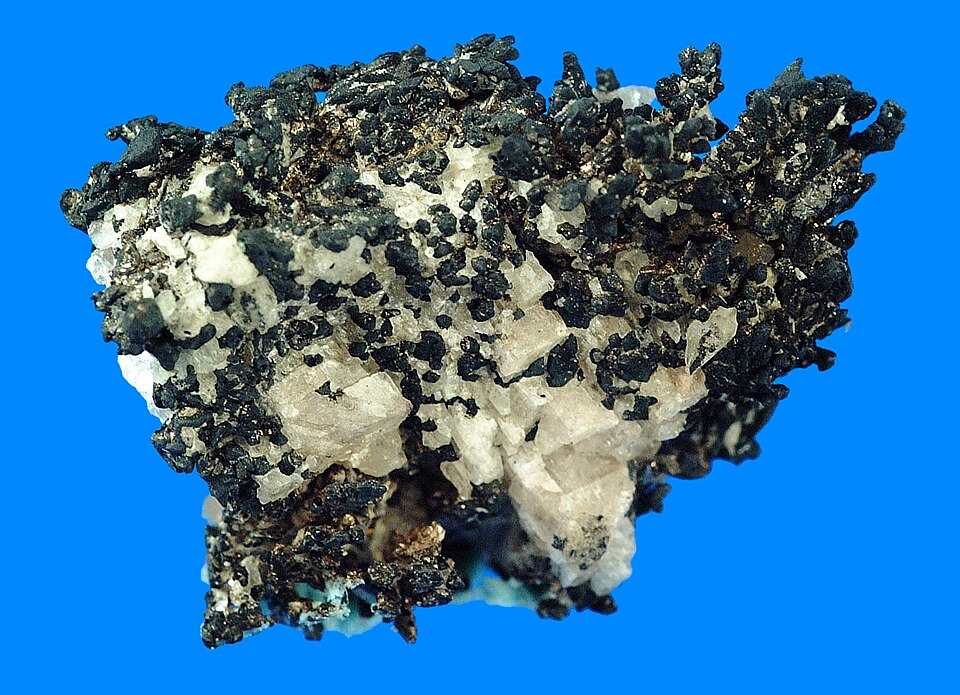
Native silver (Ag) crystallizes in the cubic system, often forming fascinating dendrites, filaments, and compact masses. It forms predominantly in oxidizing environments of low to medium-temperature hydrothermal deposits, where silver-rich solutions precipitate in rock fractures. Classic mineralogical associations include calcite, barite, fluorite, and other alteration minerals. Although rare as a primary mineral, native silver can concentrate significantly in oxidation zones of silver sulfide deposits (such as tetrahedrite). Its extraordinary ductility and thermal conductivity make it unmistakable: a diagnostic characteristic is the silvery white color that remains brilliant even after exposure to air (unlike other native metals). Historically, native silver represented an important source of silver until the 19th century, when extraction methods from sulfide minerals became predominant.
Crystal system: cubic (space group Fm3̄m). Lattice parameter: a = 4.086 Å. Density: 10.5 g/cm³. Mohs hardness: 2.5–3 (extremely malleable; can be cut with a knife). Cleavage: none (irregular fracture). Luster: metallic. Color: silvery white; can tarnish on the surface forming a gray patina. Electrical conductivity: 63 × 10⁶ S/m (highest among metals). Magnetism: diamagnetic. Refractive index: not applicable (opaque). Spectroscopy: in EDS (Energy Dispersive Spectroscopy) analysis shows Ag-Kα peak at 22.16 keV. Streak: white. Reactivity: soluble in dilute nitric acid (HNO₃) with formation of AgNO₃; reacts slowly with sulfur and halogens. Associations: tetrahedrite, chalcocite, covellite, chalcopyrite, calcite, barite, fluorite, quartz. Genetic environment: epithermal hydrothermal veins, oxidation zones of sulfide deposits (secondary enrichment), volcanogenic deposits.
Mining localities
- Kongsberg, Norvegia (dendrite straordinarie)
- Laurion, Grecia (giacimenti classici)
- Comstock Lode, Nevada, USA
- Cobalt, Ontario, Canada
- Tonopah, Nevada, USA
- Freiberg, Sassonia, Germania
- Potosí, Bolivia
- Guanajuato, Messico
- Příbram, Repubblica Ceca
- Val d'Aosta, Italia (giacimenti storici)
Frequently Asked Questions
How can you distinguish native silver from solid silver or silver-plated items?
Native silver has a density of 10.5 g/cm³ and a hardness of 2.5-3 on the Mohs scale, making it extremely malleable and easily scratched with a knife. A genuine native silver crystal will be exceptionally heavy for its volume compared to common minerals and will exhibit exceptional electrical conductivity. The typical crystalline form is cubic or dendritic with a characteristic white-gray metallic color that does not tarnish like some silver sulfides.
Where is native silver found in nature and what are the world's main deposits?
Native silver forms predominantly in oxidation zones near the surface, often associated with quartz veins and copper, lead, and zinc minerals. The world's main deposits are found in Mexico (Chihuahua and Durango), Canada (Ontario and British Columbia), Peru, Bolivia, and historically in the Kongsberg mines in Norway, where some of the finest dendritic crystals ever found were extracted.
What is the commercial value of native silver and how is it quoted?
Native silver is quoted at the price of pure metal Ag (currently around 20-25 euros per gram depending on market fluctuations), but collector-quality mineralogical crystals have much higher values, ranging from 50 to 500 euros per gram depending on rarity, size, and aesthetic beauty. Perfect dendritic crystals from Kongsberg or Mexico are particularly sought after by collectors and can achieve even higher prices.
How is native silver formed and what geological conditions are necessary?
Native silver forms mainly by reduction of silver minerals (such as argentite, Ag₂S) by water rich in organic matter, or by oxidation of copper sulfides that release Ag⁺ ions subsequently reduced in near-surface environments. Ideal conditions require oxidation zones of ore veins at shallow depths, slightly acidic-neutral pH, and the presence of natural reducing agents such as organic carbon or hydrogen sulfide.
Entry generated with Claude API (Anthropic) on data extracted from Mindat, RRUFF and Wikipedia. Not yet reviewed by a human expert. Verify data against original sources before citing in formal work.