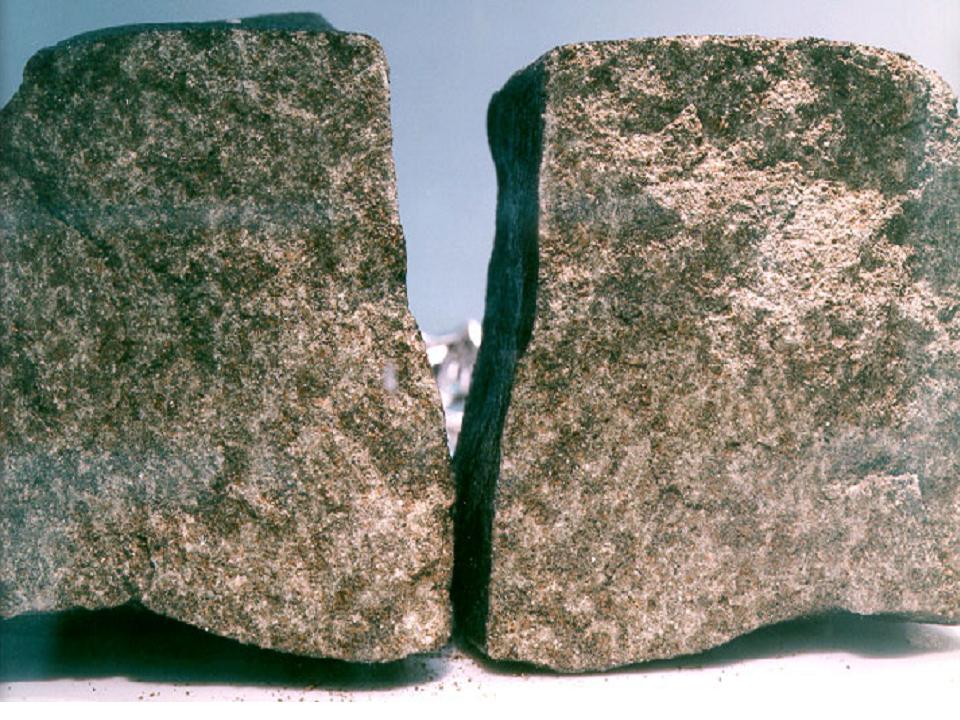
Nakhla
Nakhla
Augite + Olivina Properties
- Category
- Meteorite
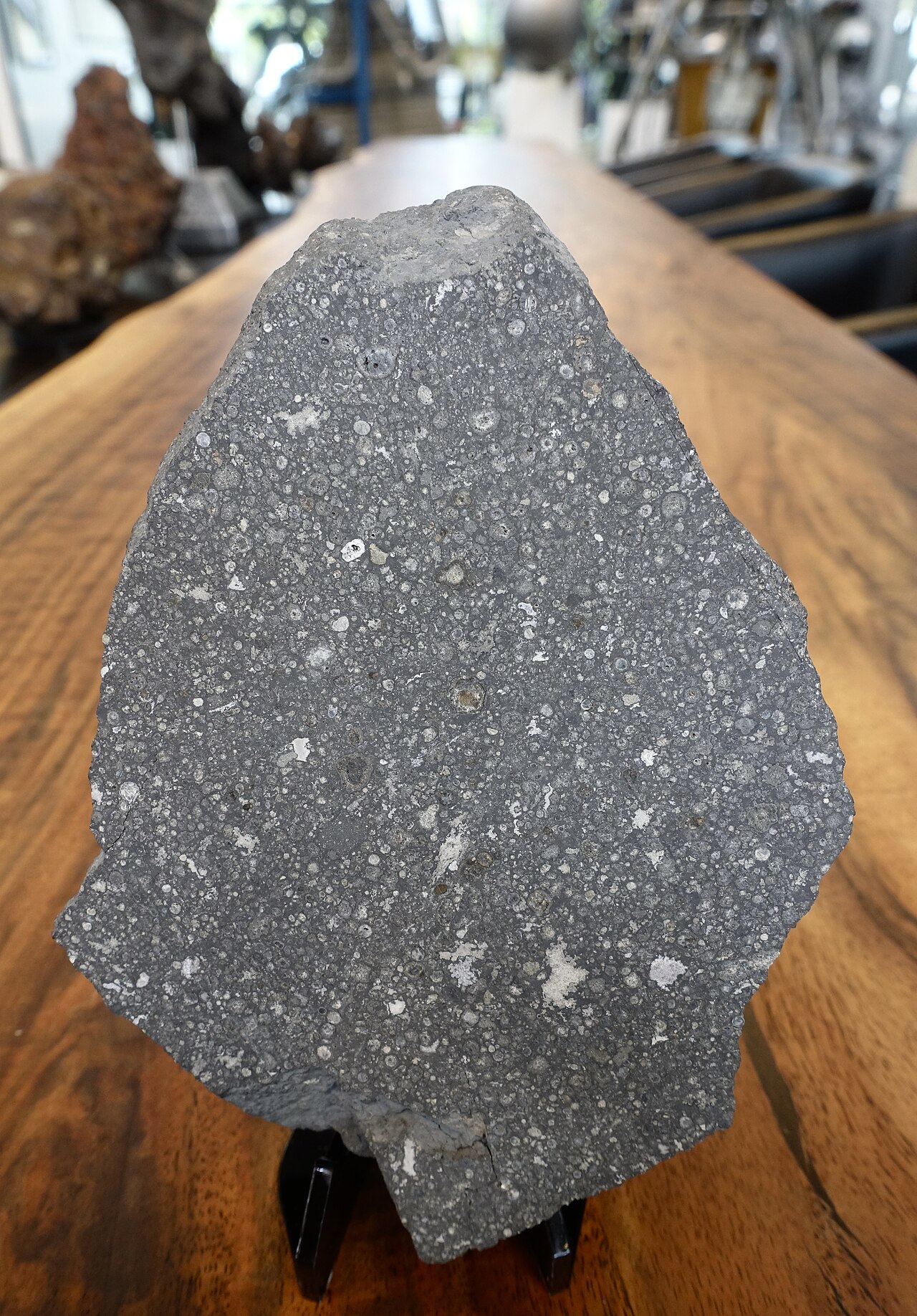
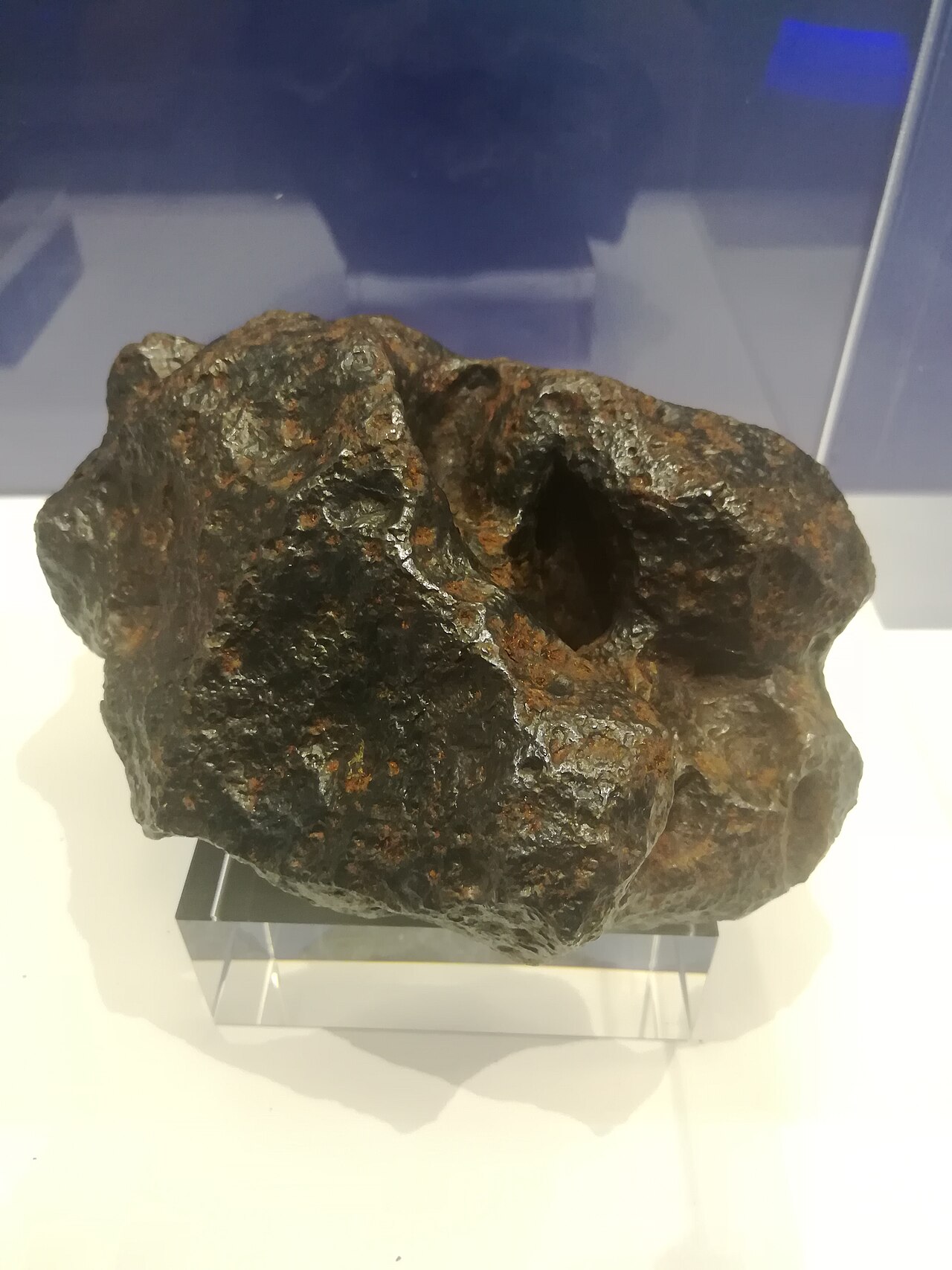
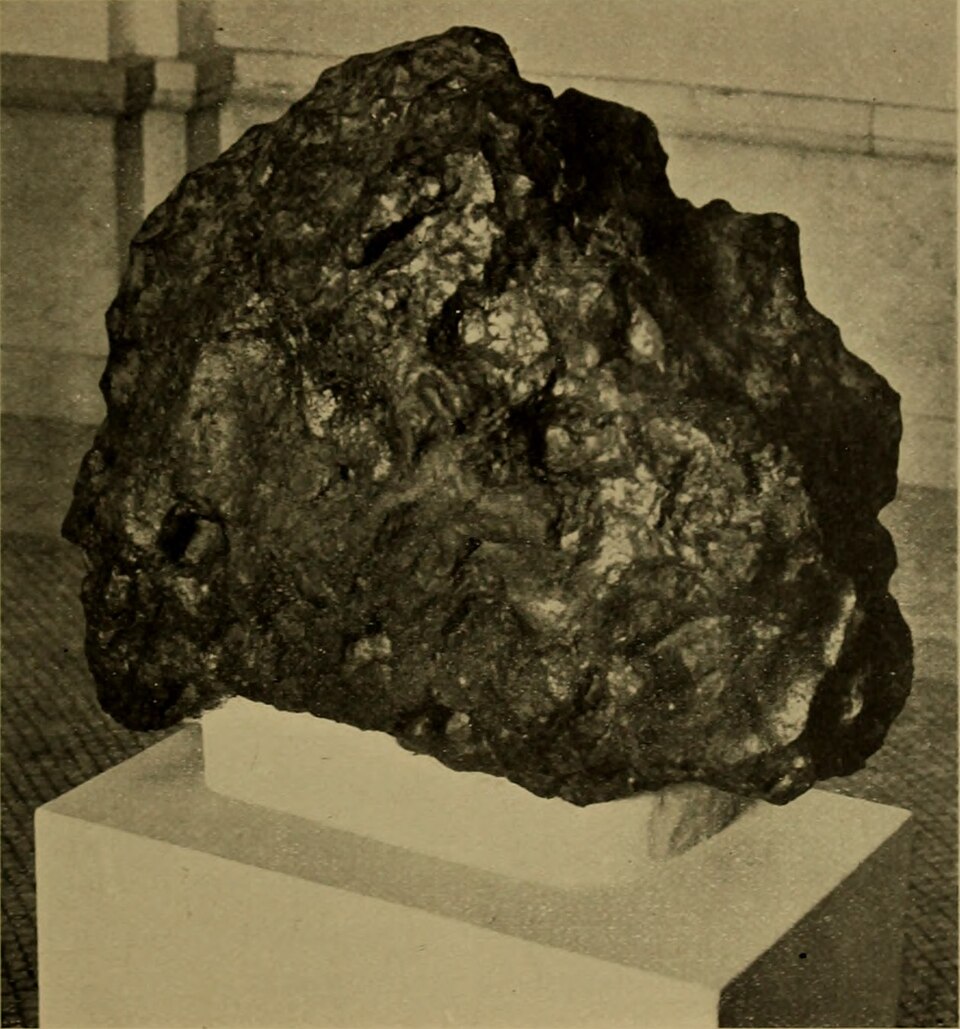
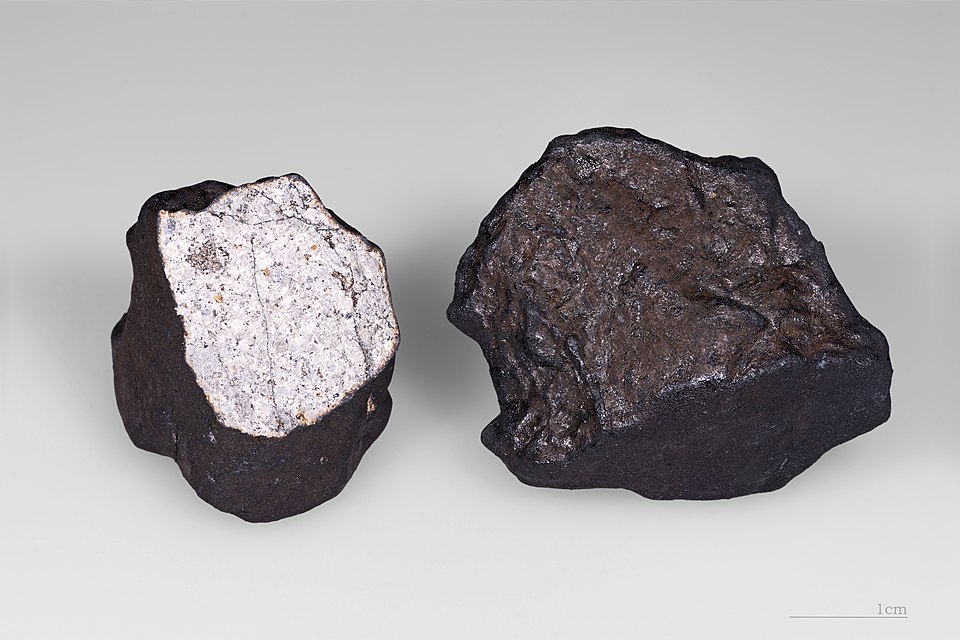
Nakhla is a chondritic meteorite that fell in Egypt in 1911, composed primarily of augite and olivine, representing fragments of primordial planetary crust dating back approximately 1.3 billion years ago.
Nakhla is an achondritic meteorite that fell on June 28, 1911, in the village of the same name in Beheira province, Egypt. This extraordinary event produced a meteorite shower that dispersed approximately 40 fragments, the largest of which weighed 1.8 kg. The mineralogical composition is dominated by augite (pyroxene) and olivine, with traces of plagioclase and magnetite, a configuration that suggests a volcanic origin from a differentiated planetary body.
Isotopic and mineralogical studies have revealed that Nakhla belongs to the group of shergottite meteorites, a subclass of achondrites believed to originate from Mars. Radiometric dating indicates primary crystallization approximately 1.3 billion years ago, followed by a thermal shock event approximately 11 million years ago, likely caused by the impact that expelled it from the Martian surface. The discovery of traces of hydrous minerals and aqueous alteration in samples provided crucial evidence for the presence of liquid water in the ancient Martian subsurface, making it an invaluable geological archive for understanding the hydrological evolution of Mars.
Crystal system: monoclinic (for constituent phases). Mineralogical composition: augite (Ca,Mg,Fe)2Si2O6 (40–50% vol.), olivine (Mg,Fe)2SiO4 (30–40% vol.), plagioclase (An60–70) (5–10% vol.), magnetite Fe3O4 (1–3% vol.). Density: 3.24–3.35 g/cm³. Hardness: 5–6 Mohs (augite and olivine). Refractive index (olivine): nα = 1.635, nγ = 1.680. Refractive index (augite): nα = 1.680, nγ = 1.710. Optical angle (2V): augite ~60°, olivine ~90°. Isotopic composition: Sm-Nd ratio indicates a model age of 1.3 Ga. 40Ar/39Ar ratio: cooling age ~11 Ma. Average chemical composition (wt%): SiO2 44–46%, MgO 20–22%, FeO 12–14%, CaO 10–12%, Al2O3 4–6%. Traces of hydrous minerals (iddingsite, chlorites) indicate post-crystallization aqueous alteration. Porosity: 5–8%. Classification: basaltic shergottite, subclass of achondrite. Texture: ophitic to sub-ophitic structure, with augite crystals 0.5–2 mm in size embedded in a matrix of plagioclase and olivine.
Mining localities
- Nakhla, provincia di Beheira, Egitto (caduta 1911)
Frequently Asked Questions
What is Nakhla and where does it come from?
Nakhla is a chondrite meteorite that fell in Egypt in 1911, originating from primordial planetary crust fragments dating back approximately 1.3 billion years. It is composed mainly of augite and olivine, silicate minerals that formed in the early stages of the solar system. It represents a fascinating window into the geological history of rocky celestial bodies.
How can I recognize an authentic Nakhla fragment?
An authentic Nakhla fragment displays a characteristic granular structure with crystals of augite (grayish-green) and olivine (yellowish-green) visible to the naked eye or with magnification. The outer surface typically shows a dark fusion crust caused by heating during atmospheric entry. The density is higher than common terrestrial rocks (approximately 3.3 g/cm³) and contains traces of meteoritic iron.
What is the economic value and where can Nakhla samples be found?
Authentic Nakhla samples are extremely rare and valuable, with prices ranging from hundreds to thousands of euros per gram depending on size and certification. Most fragments are found in world-renowned natural history museums, research institutions, and verified private collections. To purchase certified samples, one must contact specialized meteorite dealers with authenticity certificates.
What mineralogical properties does Nakhla have and how was it formed?
Nakhla is an ordinary chondrite composed mainly of augite ((Ca,Mg,Fe)₂Si₂O₆) and olivine ((Mg,Fe)₂SiO₄), minerals that crystallized from primordial magma in the mantle of a parent body. Its chemical composition suggests an origin from planetary differentiation processes, with chemical elements distributed according to thermal equilibria approximately 1.3 billion years ago. The granular structure testifies to slow cooling in a protoplanetary environment.
Entry generated with Claude API (Anthropic) on data extracted from Mindat, RRUFF and Wikipedia. Not yet reviewed by a human expert. Verify data against original sources before citing in formal work.