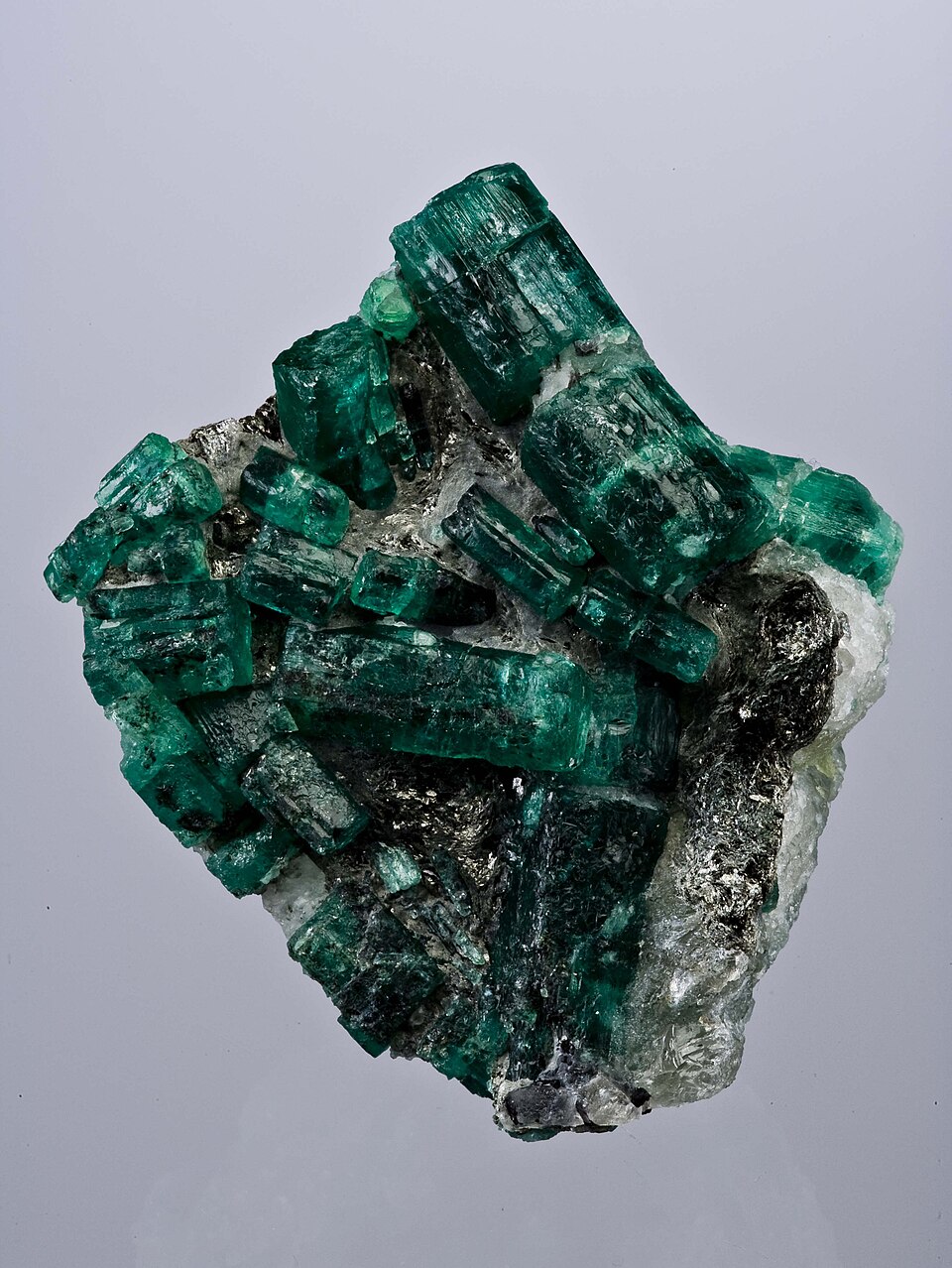
Emerald
Smeraldo
Be₃Al₂Si₆O₁₈ Properties
- Color
- Green, green-blue
- Luster
- Vitreous
- Density
- 2.76 g/cm³
- Category
- Gem
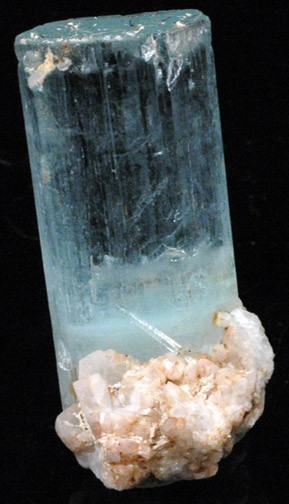
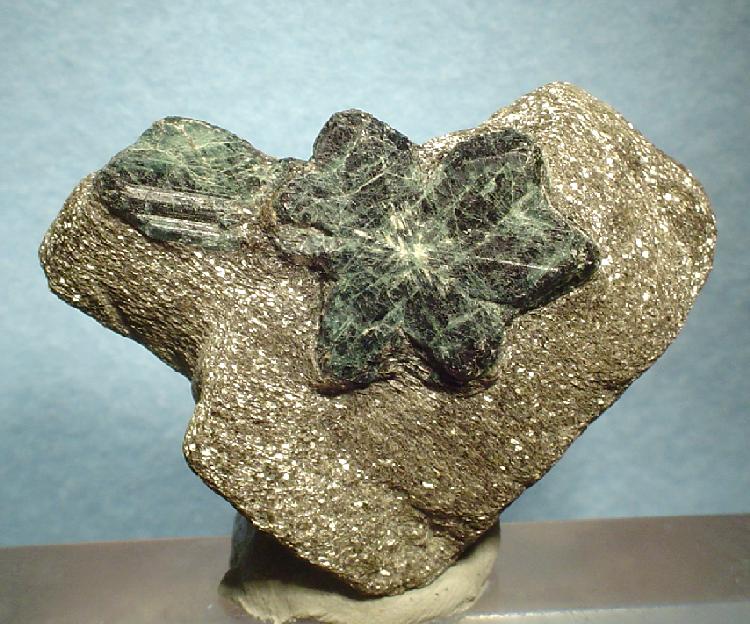
Emerald is a variety of beryl colored by chromium and sometimes vanadium, considered one of the four classical precious stones alongside diamond, ruby, and sapphire. Its intense green is among the most sought-after colors in world gemology.
The characteristic green color derives from the presence of chromium (Cr³⁺) and, to a lesser extent, vanadium within the beryl crystal lattice. Inclusions in emerald crystals — called jardin (garden) in gemological terminology — are so common that they are accepted as evidence of natural origin.
The majority of commercial emeralds are treated with cedarwood oil or resins to improve their transparency. An emerald completely free of inclusions is rarer than an equivalent diamond.
Belongs to the beryl group, a cyclic silicate with a ring structure. The refractive index ranges between 1.565 and 1.602, with birefringence of 0.005–0.009. Determination of geographic origin is based on characteristic inclusions and LA-ICP-MS analysis to quantify Cr, V, Fe, Cs, and Li.
Mining localities
- Muzo e Chivor, Colombia (qualità più elevata)
- Kafubu, Zambia
- Itabira, Minas Gerais, Brasile
- Zimbabwe
- Pakistan
Frequently Asked Questions
What is the difference between emerald and green beryl?
Emerald is a specific variety of beryl (Be₃Al₂Si₆O₁₈) colored by chromium and vanadium presence, while common green beryl is colored by iron as the primary chromophore. Only beryls with intense, saturated green color caused by chromium are classified as emeralds in the international gemological market.
How do you recognize a genuine emerald from an imitation?
Authentic emeralds display characteristic inclusions (often called 'gardens') visible under a microscope, a hardness of 7.5-8 on the Mohs scale, and a density of 2.76-2.80 g/cm³. Imitations in glass or synthetic materials lack the typical natural inclusions and have different physical properties, easily verified with standard gemological tests.
Where are the finest emeralds in the world found?
The most important emerald deposits are located in Colombia (Muzo, Chivor, and Coscuez), Zambia, and Brazil, with Colombia producing the purest and most intensely colored emeralds. Colombian emeralds, thanks to particular geological conditions of formation, generally display superior color saturation compared to emeralds from other locations.
What is the average price of an emerald and what does it depend on?
Emerald prices vary enormously from €50-100 per carat for commercial quality to €5,000-10,000 per carat for fine quality, depending mainly on color saturation (saturated green is costlier), clarity, geographic origin, and size. High-quality untreated Colombian emeralds are among the most expensive in the gemological market.
Entry generated with Claude API (Anthropic) on data extracted from Mindat, RRUFF and Wikipedia. Not yet reviewed by a human expert. Verify data against original sources before citing in formal work.