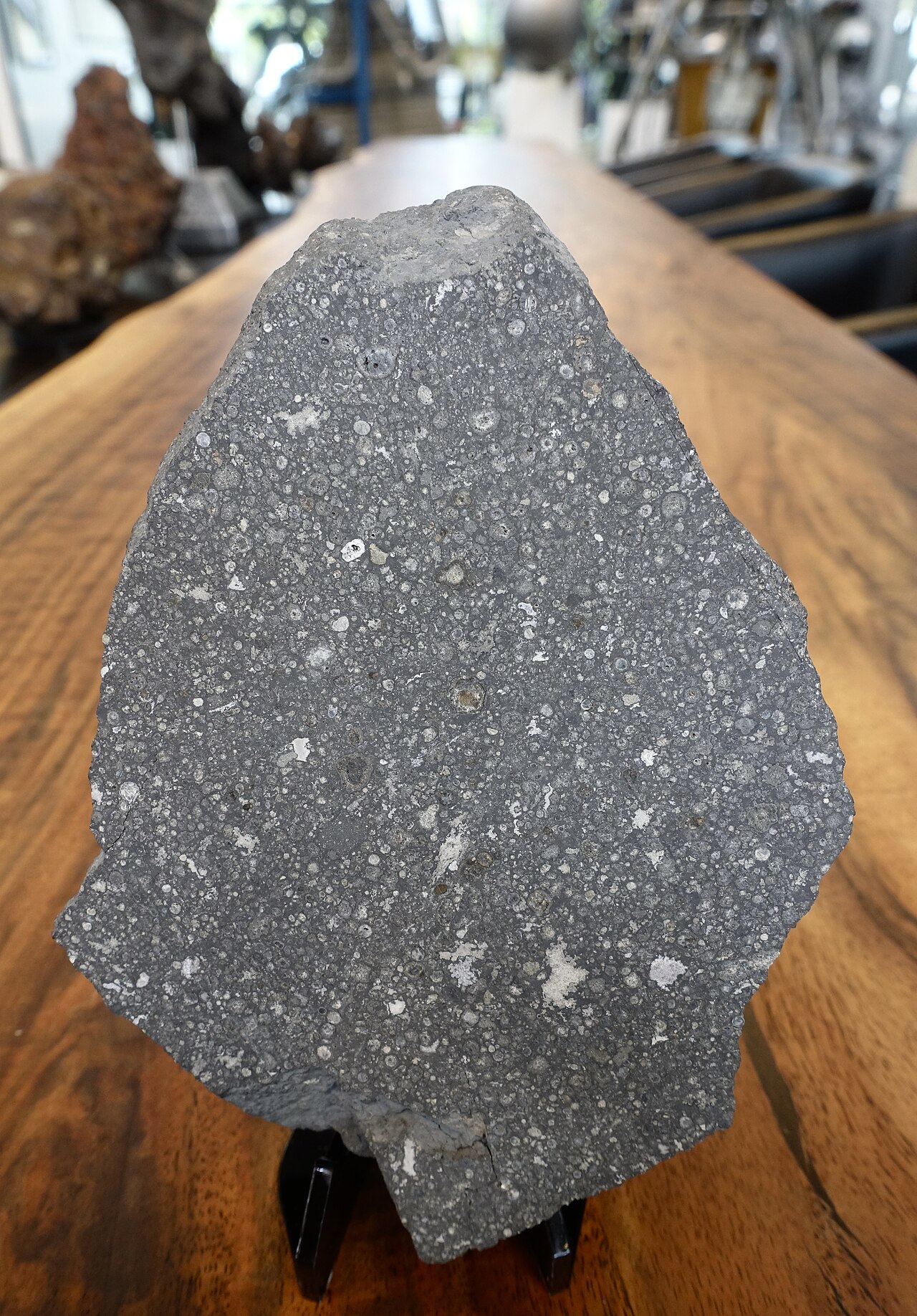
Allende
Allende
Silicati + CAI Properties
- Category
- Meteorite
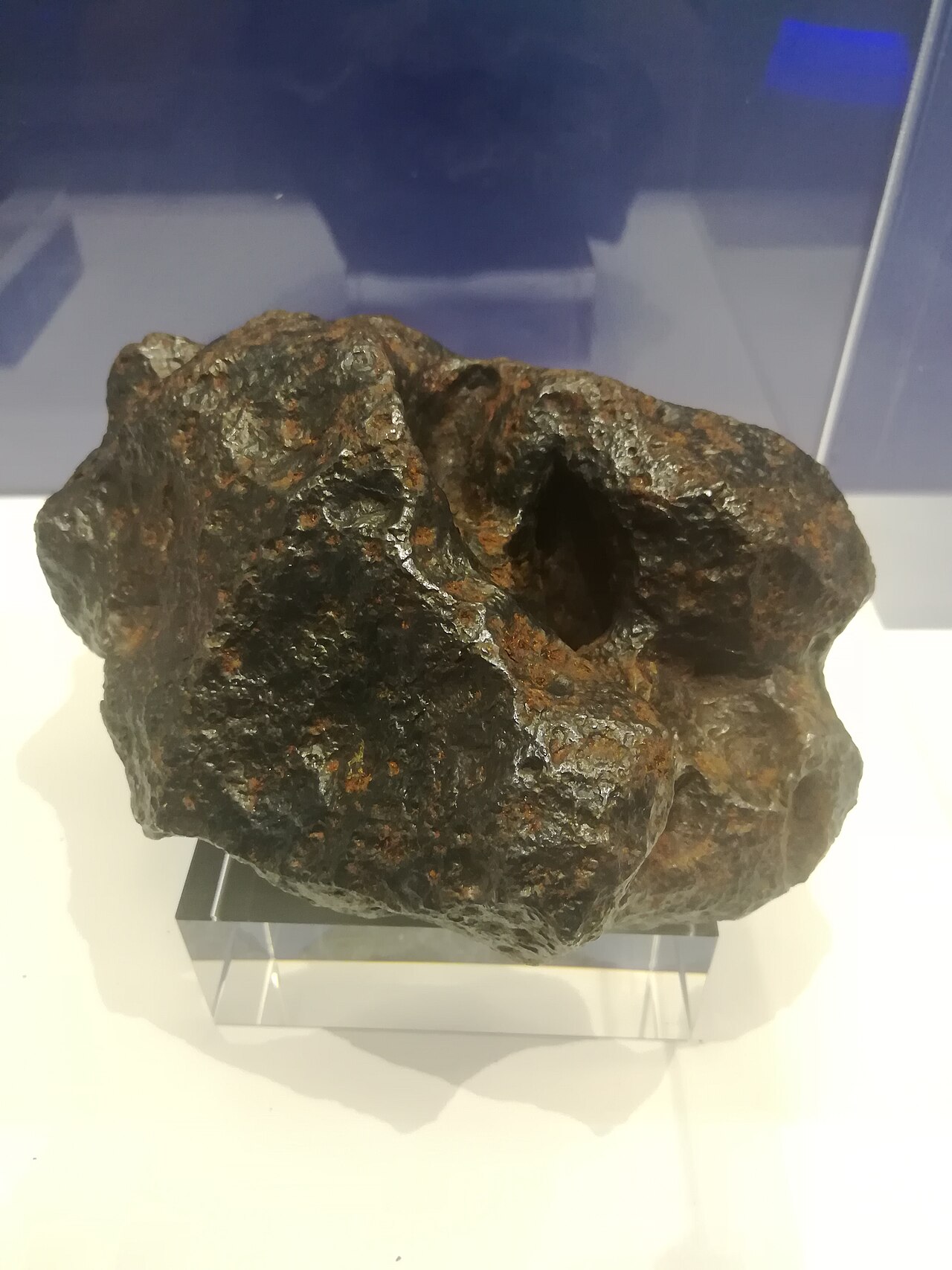
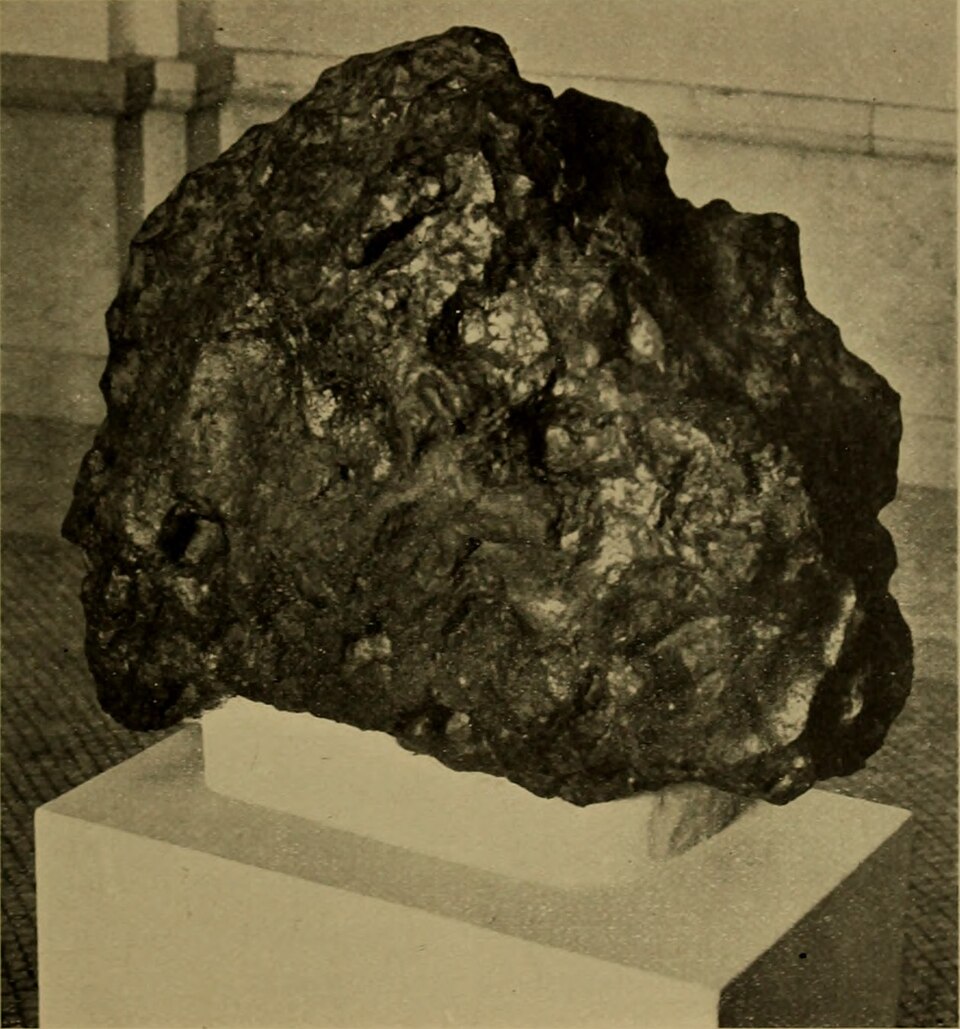
The Allende meteorite is a carbonaceous chondrite that fell in Mexico in 1969, celebrated for containing CAIs (Calcium- and Aluminum-rich Inclusions), the oldest materials in our solar system, dating back 4.567 billion years ago.
The Allende meteorite fell on February 8, 1969, in the state of Chihuahua, Mexico, in a spectacular event witnessed by thousands of observers. With a total recovered mass of approximately 2 tonnes, it represents one of the most important meteoritic specimens ever studied. It belongs to the class of carbonaceous chondrites, primordial rocks that formed in the solar nebula before the assembly of the terrestrial planets.
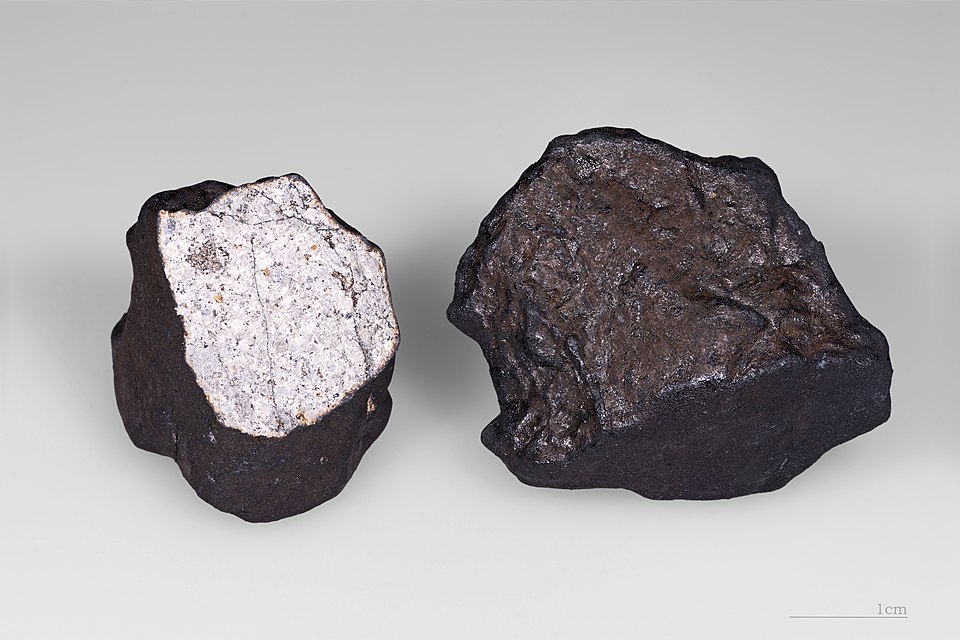
What makes Allende extraordinary is the abundant presence of CAIs, millimeter-sized crystals of perovskite, melilite, spinel, and anortite that condensed from the hottest regions of the primitive nebula. These inclusions are isotopically anomalous, containing ratios of isotopes of magnesium, aluminum, and other elements that testify to the incorporation of material from stellar supernovae. The matrix consists of olivine, pyroxene, and altered clay minerals, along with chondrules (silicate spheres) and carbonaceous components. Studies on Allende have revolutionized cosmogony, providing direct evidence of stellar nucleosynthesis and the absolute chronology of solar formation.
Classification: CV3 (carbonaceous chondrite Vigarano-type, aqueous alteration grade 3). Primary mineralogical composition: olivine (Fa15-35, variable composition), low-Ca pyroxene (Fs5-15Wo2-5), high-Ca pyroxene (Wo45-50), plagioclase (An70-95), magnetite, troilite, nickel-iron. CAIs: perovskite (CaTiO3), melilite (Ca2(Mg,Al)(Si,Al)2O7), spinel (MgAl2O4), anortite (CaAl2Si2O8), hibonite (CaAl12O19). Density: 3.3-3.5 g/cm³. Refractive index: variable by phase (olivine: n=1.63-1.70; pyroxene: n=1.69-1.73). The CAI fraction constitutes approximately 15-20% of total mass. Pb-Pb radiometric dating on CAIs: 4567.3 ± 0.2 Ma (absolute age of nebular condensation). Anomalous isotopic ratios of 26Mg/24Mg and 27Al/26Al indicate decay of 26Al (T1/2 = 717 ka) and incorporation of nucleosynthesis material. Volatile composition: ~3-5% organic carbon, amorphous carbon compounds, soluble organic matter. Aqueous alteration: phyllosilicates (serpentine, talc), carbonates (calcite, dolomite), sulfates. Thin sections show porphyritic texture with chondrules of 0.1-3 mm. Raman spectroscopy: D and G bands of organic matter, characteristic peaks of olivine and pyroxene.
Mining localities
- Pueblito de Allende, Chihuahua, Messico
Frequently Asked Questions
How much does an Allende meteorite cost and where can I buy it?
An authentic Allende meteorite typically costs between €0.50 to €3 per gram, depending on fragment size and quality, with samples containing CAI commanding higher prices. You can purchase it from specialized meteorite dealers, scientific auction houses, and dedicated online platforms, but it is essential to verify authenticity through laboratory certificates and documented provenance.
How can I identify a genuine Allende meteorite from a fake one?
An authentic Allende meteorite displays a dark gray structure with visible white inclusions (CAI) detectable to the naked eye or magnifying glass, a density higher than terrestrial rocks (approximately 3.3 g/cm³), and composition rich in silicates (olivine and pyroxene) with carbonaceous matrix presence. Laboratory isotopic analysis remains the definitive authentication method, verifying oxygen isotope ratios and radiometric dating.
What are CAI and why are they so important in the study of Allende?
CAI (Calcium-Aluminum-rich Inclusions) are white crystals of calcium and aluminum oxides and silicates dating back 4.567 billion years, representing the oldest solid materials in our solar system. Their scientific importance is extraordinary because they allow dating of solar system formation, studying primordial chemical reactions, and understanding the evolution of interstellar dust that gave rise to planets.
What is the chemical composition of the Allende meteorite?
The Allende meteorite is a carbonaceous chondrite composed primarily of silicates such as olivine [(Mg,Fe)₂SiO₄] and pyroxene, a black carbonaceous matrix, and characteristic CAI rich in calcium and aluminum oxides (CaAl₂O₄, Ca₃Al₂O₆). It also contains complex organic compounds, metallic iron-nickel, and traces of volatile elements, reflecting the primordial composition of the solar nebula.
Entry generated with Claude API (Anthropic) on data extracted from Mindat, RRUFF and Wikipedia. Not yet reviewed by a human expert. Verify data against original sources before citing in formal work.