Adamite
Adamite
Zn₂(AsO₄)(OH) Properties
- Category
- Mineral
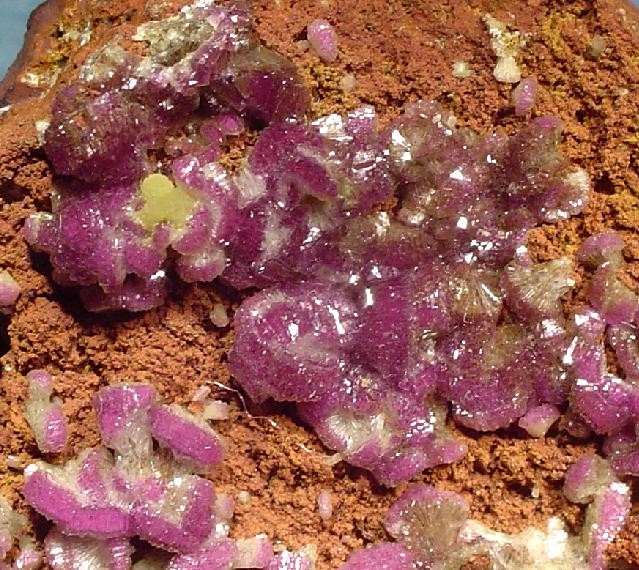
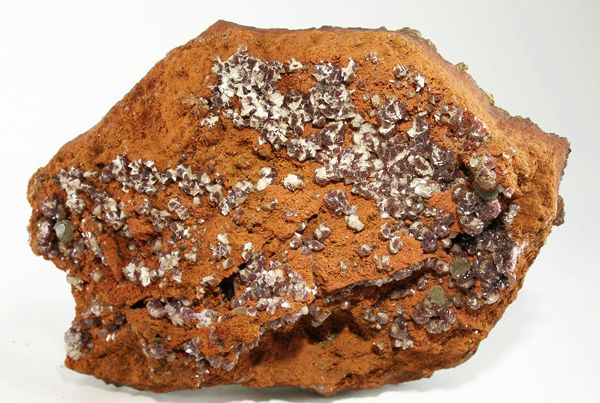
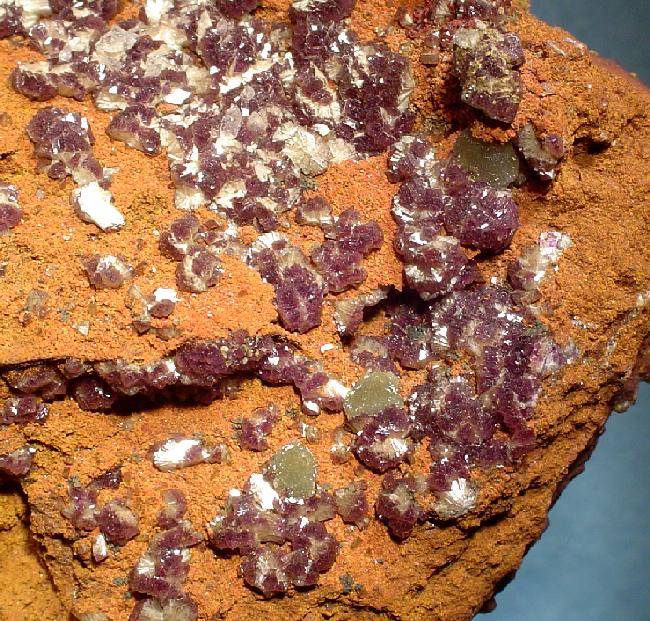
Adamite is a hydroxylated zinc arsenate that forms orthorhombic crystals of extraordinary beauty, often colored brilliant green, yellow, or blue, prized by mineral collectors for its rarity and the sharpness of its crystals.
Adamite is a secondary mineral that forms in oxidation environments of zinc and arsenic deposits, typically in arid zones where meteoric water has altered primary minerals. The crystals, which can reach significant sizes, display a vitreous luster and transparency that make them particularly sought after by mineralogists. The most celebrated variety is the emerald green adamite from Tsumeb in Namibia, while fluorescent blue specimens have been found in Mexico and Peru.
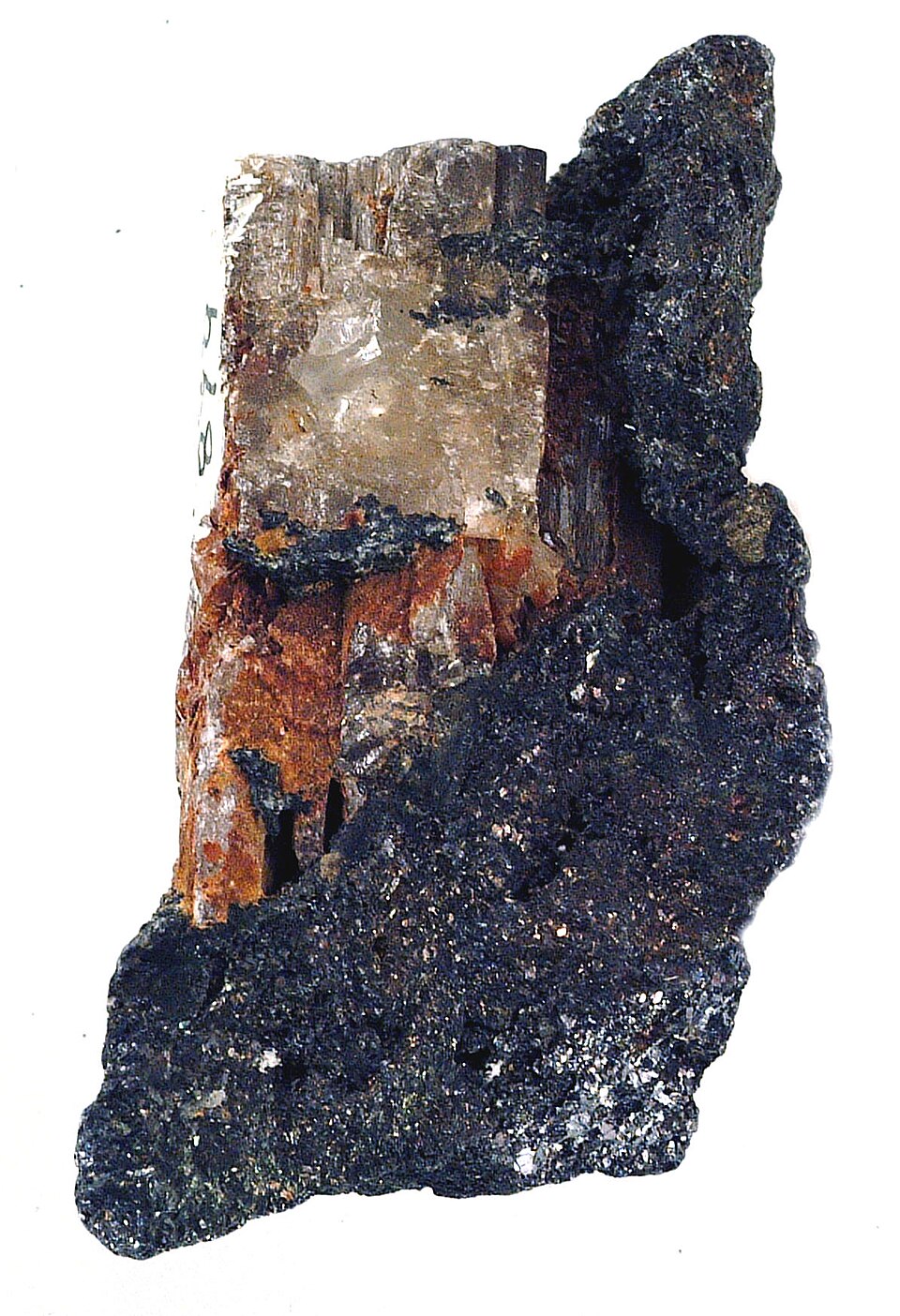
Adamite formation typically occurs in association with other oxidation zone minerals such as limonite, malachite, and calcite. Its relative fragility (hardness 3.5 on the Mohs scale) makes it delicate to handle, but this characteristic does not diminish its scientific and collectible value. Some specimens exhibit ultraviolet fluorescence, glowing an intense yellow-green under long-wave UV light.
Adamite — Zn₂(AsO₄)(OH). Crystal system: orthorhombic, space group Pnma. Lattice parameters: a = 8.48 Å, b = 7.47 Å, c = 6.03 Å. Hardness: 3.5 Mohs. Density: 4.32–4.35 g/cm³. Refractive index: nα = 1.704, nβ = 1.743, nγ = 1.763; birefringence: 0.059 (biaxial positive). Cleavage: perfect along plane 101. Color: emerald green, yellow, blue, colorless; white streak. Luster: vitreous. Transparency: transparent to translucent.
Raman spectroscopy: characteristic bands attributed to vibration modes of AsO₄ groups (around 800–900 cm⁻¹) and OH (3300–3500 cm⁻¹). UV fluorescence: yellow-green under long-wave (365 nm), sometimes absent or weak. Thermal analysis: loss of structural water between 300–400 °C. Mineral associations: limonite, goethite, malachite, calcite, smithsonite, olivenite. Genesis: oxidation zone mineral in zinc and arsenic deposits in arid environments.
Mining localities
- Tsumeb, Namibia
- Mapimí, Durango, Messico
- Tintic, Utah, Stati Uniti
- Laurion, Grecia
- Morococala, Bolivia
- Charcas, San Luis Potosí, Messico
- Copiapó, Atacama, Cile
Frequently Asked Questions
Where is adamite found and what are the most important deposits?
Adamite is found primarily in oxidation zones of arsenate mineral deposits, with the most significant deposits located in Mexico (Coahuila and Durango), Peru, Morocco, and Namibia. The finest and sharpest crystals generally come from Mexican deposits, where they reach considerable sizes and vivid colorations that are particularly sought after by collectors.
How to identify adamite from similar minerals and what are its diagnostic characteristics?
Adamite is recognized by its extremely sharp orthorhombic crystals, moderate hardness (3.5-4 on the Mohs scale), weight due to zinc content, and distinctive vivid colors (brilliant green, yellow, blue) with high saturation. A reliable diagnostic test is ultraviolet fluorescence: many specimens emit bright yellow-greenish fluorescence under long-wave UV light.
What is the chemical formula of adamite and how does it form geologically?
Adamite has the formula Zn₂(AsO₄)(OH) and forms secondarily in the oxidation zone of deposits containing arsenopyrite and other zinc-rich primary arsenate minerals. Its genesis requires cycles of dissolution and recrystallization caused by meteoric waters, which transport zinc and arsenic from oxidized minerals to shallower zones where they recrystallize forming the characteristic orthorhombic crystals.
How much does adamite cost and what factors influence the price of crystals?
The price of adamite varies considerably from 10-20 euros for small fragmented samples up to 100-500 euros for museum-quality crystals, depending on size, clarity, saturated color, and absence of alterations. The factors that most influence value are the clarity and brilliance of the crystals, color (green and blue are rarer and more expensive than yellow), and provenance from historically renowned deposits such as Ojuela in Mexico.
Entry generated with Claude API (Anthropic) on data extracted from Mindat, RRUFF and Wikipedia. Not yet reviewed by a human expert. Verify data against original sources before citing in formal work.